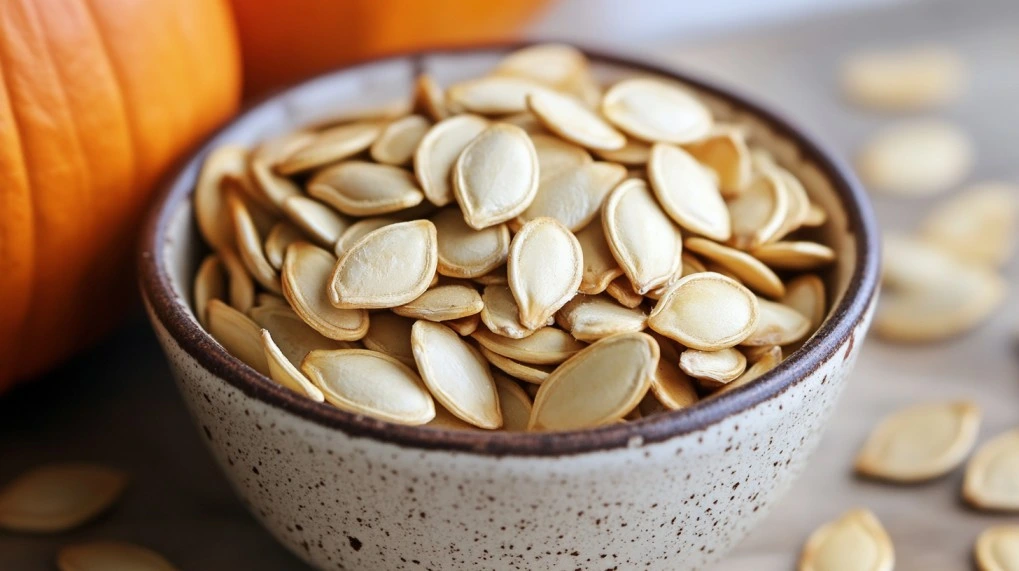
Pumpkin seeds look like a snack you'd toss on a salad and forget about. In reality, a small handful covers a big share of your daily magnesium and zinc, adds plant protein, and brings healthy fats your heart likes. Pumpkin seed oil has its own fan club too, especially among men watching their prostate and anyone fighting thinning hair. And yes, the tiny green seed has a reputation in the bedroom.
But no food is magic, and seeds are no exception. Below we break down the benefits of pumpkin seeds that research actually supports, what they can and can't do for your sex life, how much to eat per day, and who should be careful.
Quick answer: About 1 oz (28 g, roughly a small handful) of shelled pumpkin seeds a day gives you around 8.5 g of protein, close to 40% of your daily magnesium and about 20% of your zinc. They may support heart health, blood sugar control, sleep, prostate health and hair growth. Eat them in moderation, because they are calorie-dense.
Table of Contents
- Pumpkin seeds nutrition at a glance
- 9 health benefits of pumpkin seeds
- Pumpkin seeds and your sex life: what's real and what's hype
- How many pumpkin seeds should you eat per day?
- How to take pumpkin seed oil
- Pumpkin seeds side effects: who should be careful?
- FAQ
- The bottom line
- Sources
Pumpkin seeds nutrition at a glance
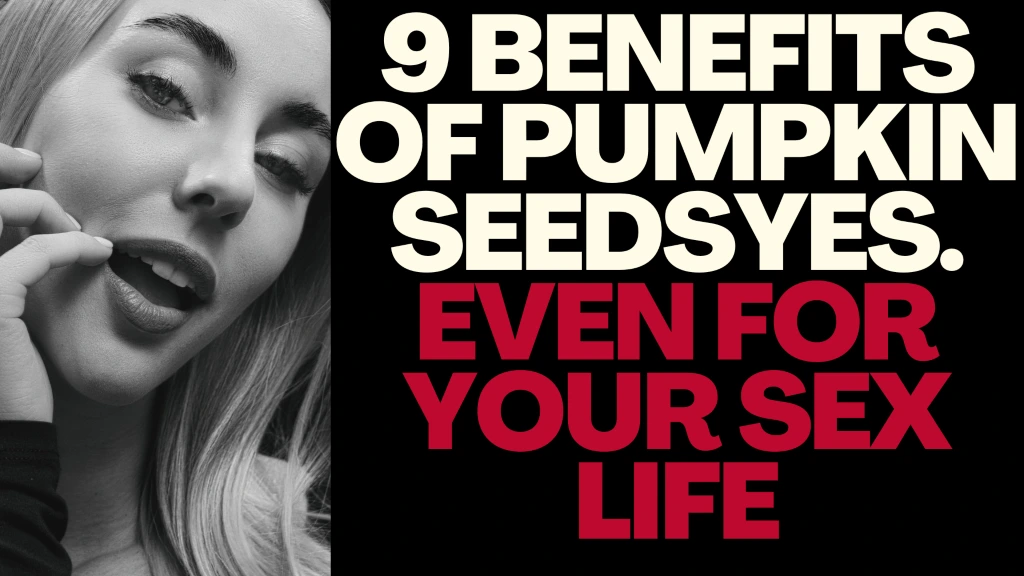
Values for 1 oz (28 g) of shelled, dried pumpkin seeds (pepitas), calculated from USDA FoodData Central:
| Nutrient | Amount | % Daily Value |
|---|---|---|
| Calories | ~157 kcal | - |
| Protein | ~8.5 g | 17% |
| Fat | ~13.7 g (mostly unsaturated) | - |
| Fiber | ~1.7 g | 6% |
| Magnesium | ~166 mg | ~40% |
| Zinc | ~2.2 mg | ~20% |
| Iron | ~2.5 mg | ~14% |
| Phosphorus | ~345 mg | ~28% |
They also contain vitamin E, antioxidants and the amino acid tryptophan.
9 health benefits of pumpkin seeds
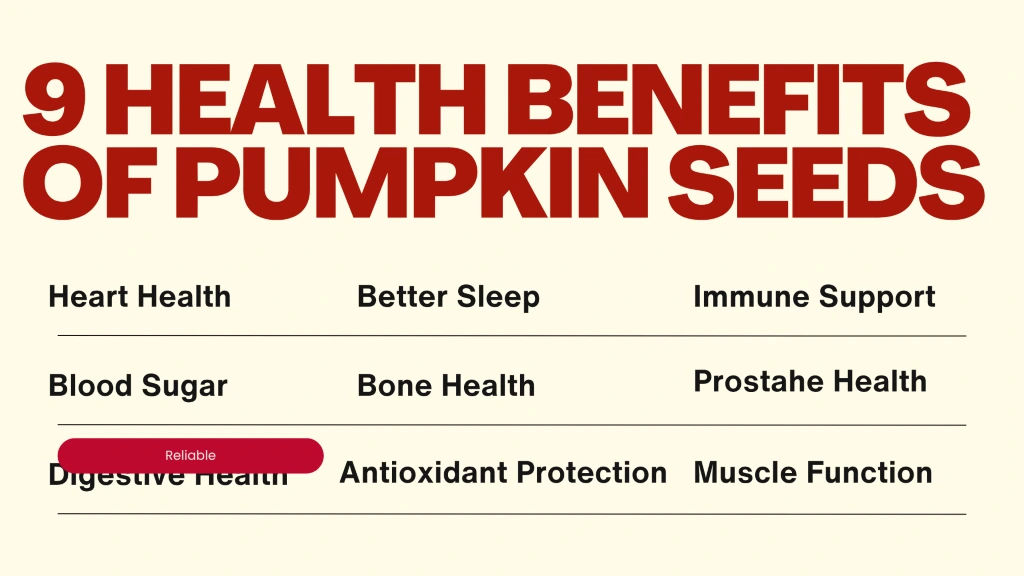
1. A solid source of plant protein
Shelled pumpkin seeds contain about 30 g of protein per 100 g, which is more than most nuts. That makes them a useful protein boost for vegetarians, vegans and anyone who trains. Add them to oatmeal, yogurt or salads to raise the protein of a meal without much effort.
2. One of the best food sources of magnesium
Many adults don't get enough magnesium, and the NIH Office of Dietary Supplements lists pumpkin seeds among the richest food sources: one handful covers more than a third of your daily needs. Magnesium is involved in more than 300 processes in the body, from muscle and nerve function to blood pressure and blood sugar control.
3. Immune support from zinc
Zinc helps your immune cells work properly and supports wound healing. One ounce of pumpkin seeds provides about 20% of the Daily Value for zinc, according to the NIH zinc fact sheet. That matters most for people who eat little or no meat.
4. Heart health
Pumpkin seeds are rich in unsaturated fats (mostly omega-6 linoleic acid), magnesium and antioxidants. Diets that include nuts and seeds are linked to lower LDL cholesterol and better blood pressure. Pumpkin seed oil has also shown blood-pressure benefits in small studies.
Note: pumpkin seeds contain very little omega-3. For omega-3, look to flaxseed, chia, walnuts or oily fish.
5. Better blood sugar control
Thanks to their protein, fat, fiber and magnesium, pumpkin seeds have a low impact on blood sugar. Some studies suggest they may help improve blood sugar control in people with type 2 diabetes. They are a smart snack swap for chips or sweets. If you take diabetes medication, they work as part of a balanced diet, not as a treatment.
6. Prostate and bladder health
This is where pumpkin seeds get the most attention. In the year-long GRANU study of 1,431 men with an enlarged prostate (BPH), 58.5% of men eating 5 g of pumpkin seeds twice a day saw a meaningful drop in urinary symptoms, compared with 47.3% on placebo. Interestingly, pumpkin seed extract capsules did no better than placebo in the same study. The authors call for more research, so treat this as promising, not proven. Pumpkin seeds are not a cure and are not proven to prevent prostate disease. If you have urinary symptoms, see a doctor first.
7. Sleep and mood
Pumpkin seeds contain tryptophan, which the body uses to make serotonin and melatonin. They also contain magnesium, which helps the nervous system relax. The evidence for seeds alone improving sleep is limited, but a small handful in the evening is a better snack than sugar.
8. Hair and skin
In a randomized, placebo-controlled trial of 76 men with male-pattern hair loss, those who took 400 mg of pumpkin seed oil a day for 24 weeks saw their hair count rise by about 40%, compared with about 10% on placebo. Zinc and vitamin E also support healthy skin. Results are promising but based on limited research, so treat this as a bonus, not a hair-loss treatment.
9. Digestive support
The fiber in pumpkin seeds supports regular digestion. Eaten whole with the shell, they contain even more fiber. Pumpkin seeds have a long history in folk medicine as a remedy for intestinal parasites, but human evidence for this is weak, so don't rely on them instead of medical treatment.
Pumpkin seeds and your sex life: what's real and what's hype
Search "foods for libido" and pumpkin seeds show up on almost every list. Here's the honest version.
Zinc: the mineral your hormones notice
Zinc plays a key role in making testosterone, which drives sex drive in both men and women. In a classic study, young men whose diets were stripped of zinc saw their testosterone drop sharply, and older men with mild zinc deficiency roughly doubled their testosterone after six months of extra zinc. The catch: if you already get enough zinc, eating more won't turn you into a superhero. Pumpkin seeds help you avoid a shortfall, which is especially useful if you eat little meat, drink often or sweat a lot.
Healthy sperm need zinc too
The prostate and semen contain high levels of zinc, and the body needs it to make healthy sperm. A daily handful of pumpkin seeds covers about a fifth of your zinc needs. For couples trying to conceive, that's an easy win alongside a balanced diet.
Blood flow is everything
Arousal for every body is about blood flow. Pumpkin seeds contain arginine, an amino acid the body uses to make nitric oxide, which helps blood vessels relax and widen. Add their magnesium and heart-friendly fats, and you have a snack that supports the circulation good sex depends on. No study shows that seeds alone improve erections, but a heart-healthy diet is one of the best-proven ways to protect them.
Better sleep, better mood, more desire
Low energy and stress are libido killers. The magnesium in pumpkin seeds helps the nervous system relax, and their tryptophan is a building block for serotonin and melatonin. Better sleep won't fix a relationship, but it's hard to feel sexy when you're exhausted.
Fewer night-time bathroom trips
For men with an enlarged prostate, waking up to pee several times a night wrecks sleep and confidence. In the GRANU study mentioned above, daily pumpkin seeds eased these urinary symptoms more often than placebo.
So, are pumpkin seeds an aphrodisiac?
Not in the "eat a handful, feel it in an hour" sense. No food has been proven to work that way. Think of pumpkin seeds as long-game support for the things that make sex better: healthy hormones, good blood flow, decent sleep and steady energy. If you have ongoing low libido, erection problems or pain during sex, talk to a doctor. These can be early signs of other health issues, including heart disease.
How many pumpkin seeds should you eat per day?
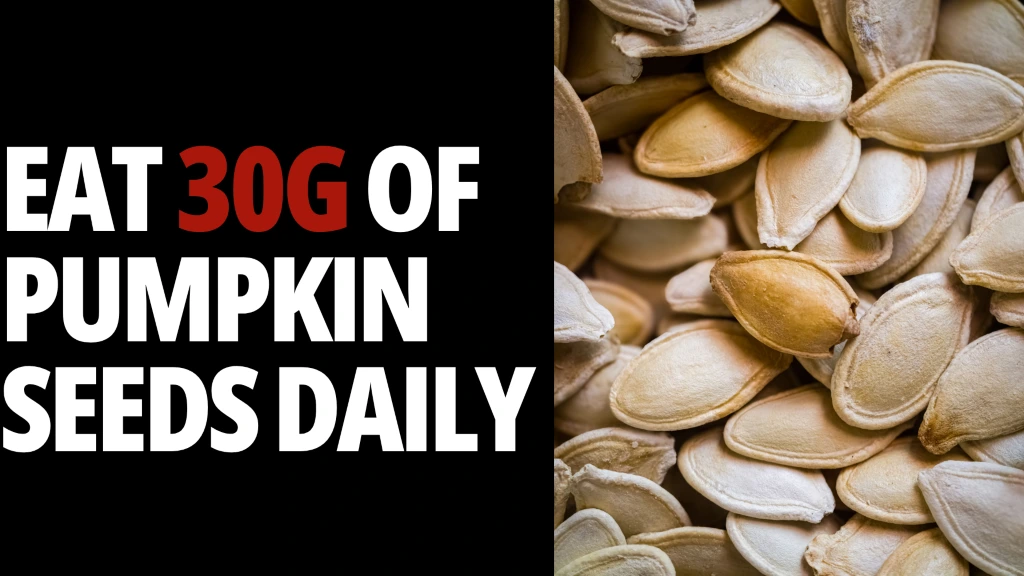
A good daily amount is about 1 oz (28-30 g), roughly a small handful or 2-3 tablespoons. That gives you the main benefits without overdoing calories. Eating much more won't add extra benefits and can cause bloating, gas or constipation, especially if you eat the seeds with shells.
Tips:
- Choose raw or dry-roasted, unsalted seeds.
- Chew them well or grind them to get the most nutrients.
- Store them in a cool, dark place, because their oils can go rancid.
How to take pumpkin seed oil
Cold-pressed pumpkin seed oil is dark green, nutty and best used unheated. High heat destroys its delicate fats.
- Typical amount: 1 teaspoon to 1 tablespoon per day.
- Easy ways to use it: drizzle it over salads, soups (after cooking), roasted vegetables or yogurt.
- On an empty stomach? Some people take 1 teaspoon in the morning before breakfast. There's no strong evidence that this works better than taking it with food, so choose what feels best for your digestion.
- Supplements: the hair-loss study used 400 mg of pumpkin seed oil per day in capsules, while the prostate study found benefits from whole seeds (10 g per day), not extract capsules. Follow the label and talk to your doctor before starting.
Pumpkin seeds side effects: who should be careful?
Pumpkin seeds are safe for most people. Still, be careful if any of the following applies to you:
- Seed allergy. If you react to pumpkin seeds or other seeds, avoid them and their oil completely.
- Sensitive digestion or IBS. Large amounts, especially with shells, can cause bloating or constipation.
- Weight management. About 160 kcal per handful adds up quickly if you snack straight from the bag.
- Low blood pressure or blood pressure medication. Pumpkin seed oil may lower blood pressure slightly.
- Diuretics or lithium. Pumpkin seed may have a mild diuretic effect, so check with your doctor.
- Gallbladder, pancreas or active stomach problems. High-fat foods can trigger symptoms. Ask your doctor what's right for you.
- Pregnancy and breastfeeding. Food amounts of seeds are fine. Talk to your doctor before taking oil supplements or extracts.
- Young children. Whole seeds are a choking hazard for kids under 4. Use seed butter or ground seeds instead.
FAQ
What happens if you eat pumpkin seeds every day?
If you eat a moderate amount, about 1 oz a day, you get a steady supply of magnesium, zinc, iron, protein and healthy fats. Over time this can support heart health, blood sugar balance, immunity, and healthy skin and hair. Eating too much can lead to digestive discomfort and extra calories.
Are pumpkin seeds good for men?
Yes. They are rich in zinc, which supports normal testosterone levels and sperm health. In a large one-year study, eating pumpkin seeds daily eased urinary symptoms of an enlarged prostate (BPH) more often than placebo.
Do pumpkin seeds increase libido?
Not directly. They supply zinc, magnesium and arginine, which support testosterone, blood flow and sleep. If low libido is linked to a zinc shortfall or poor sleep, they may help over time. If not, they won't act like a supplement or medication.
Is it better to eat pumpkin seeds raw or roasted?
Both are healthy. Raw seeds keep slightly more heat-sensitive nutrients, while light dry roasting improves flavor and digestibility. Avoid heavily salted or oil-roasted versions.
Can you eat pumpkin seed shells?
Yes. Whole seeds with shells are edible and contain more fiber. They are harder to digest, so chew them well and start with small amounts.
What is pumpkin seed oil good for?
The strongest evidence for the oil is in hair growth (one randomized trial in men). It also shows early promise for blood pressure and bladder symptoms. It is a supportive food, not a replacement for medical treatment.
The bottom line
The benefits of pumpkin seeds are real and backed by solid nutrition. A small daily handful delivers protein, magnesium, zinc and healthy fats that support your heart, blood sugar, immune system, prostate, skin and hair, plus the hormones, blood flow and sleep your sex life runs on. Pumpkin seed oil adds a concentrated option for specific goals.
Keep portions moderate, choose unsalted seeds, and check with your doctor if you have a medical condition or take medication.
Sources:
- U.S. Department of Agriculture. Seeds, pumpkin and squash seed kernels, dried. FoodData Central (SR Legacy, FDC 170556).
- NIH Office of Dietary Supplements. Magnesium - Fact Sheet for Health Professionals.
- NIH Office of Dietary Supplements. Zinc - Fact Sheet for Health Professionals.
- Vahlensieck W. et al. Effects of pumpkin seed in men with lower urinary tract symptoms due to benign prostatic hyperplasia in the one-year, randomized, placebo-controlled GRANU study. Urologia Internationalis, 2015; 94(3): 286–295.
- Cho Y.H. et al. Effect of Pumpkin Seed Oil on Hair Growth in Men with Androgenetic Alopecia: A Randomized, Double-Blind, Placebo-Controlled Trial. Evidence-Based Complementary and Alternative Medicine, 2014.