Let's face it: our body is our greatest ally, and for it to serve us well, it needs to be well nourished. Health and beauty are not just the result of cool genetics, but a direct consequence of what we eat. When I first realized that nutrition plays such an important role in my life, everything fell into place. It turns out that eating the right breakfast can not only save me from the morning “monster”, but also affect my mood, energy, skin condition and even my sleep.
But it's not just about eating more vegetables. Nutrition is like a game of chess: each move (or in our case, each meal) affects the end result. And as in any game, there are tricks that will help you feel your best!

Nutrition and women's health
Ah, those beautiful hormones! They play a major role in our bodies, as if they were contracted to star in a Hollywood movie. And it's our job to create the perfect conditions for them. Proper nutrition helps keep them in balance, and when hormones are in harmony, we feel like queens. I've noticed that when I eat right, I have more energy, less mood swings, and even my skin looks better.

Oh, and don't forget that a woman's body is constantly changing. Today we are energetic and alert, and a week later we may feel completely different. It's all thanks to cycles, stress and, of course, nutrition. If our diet is balanced, not only do we feel better, but we cope with life's roller coaster faster. Nutrition is our secret code to health and beauty, and most importantly, it can be delicious and enjoyable!
How nutritional needs change at different stages of a woman's life
Our nutrient needs change as we age. When I was a teenager, I thought I could eat everything in the world and still be energetic and fit. But then there comes a point when your body starts signaling, “Hey wait, what's with the chocolate marathon?”. Growing up is not only about wisdom, but also about a new nutrition strategy. I now need to focus more on protein to keep my muscles toned, iron for energy, and vitamins to help me stay in tune with myself.
As we age, such as when we approach menopause, it is important to support the body with the right fats, calcium and vitamin D. Yes, these are no longer the days when I could live on scones and coffee! I now know that I need to take care of my bones, maintain my estrogen levels, and prevent inflammation. And guess what? When my nutrition adjusts to my needs, I feel so much better, even during hormonal storms.
The evolution of our needs is not a reason to be sad, but a chance to customize your nutrition to feel great at any age group.
Effect of nutrition on hormonal balance
Hormones are the true conductors in our body's symphony. They control everything from our mood and energy to how we feel at different stages of the cycle. I often wonder, “Why am I out of sorts today?” or “Why is my energy at zero?” And that's where hormones come into play. They are responsible for our emotions, appetite, sleep, libido and more. Nutrition plays an important role in keeping hormones in balance. If you choose the right diet, you can significantly improve your health.
Let's break down how nutrition and hormones interact and what we can do to help the body stay in harmony.
How hormones affect a woman's body
Oh, those hormones! They're like hidden superheroes operating behind the scenes. One day you feel confident and alert, and the next day you can find yourself in a real emotional storm. The culprits behind all this are hormones such as estrogen, progesterone, testosterone, insulin and cortisol.
- Estrogen is the main female hormone that affects fertility, the cycle, and even our mood.
- Progesterone is a calming hormone that helps us relax, especially in the second half of our cycle.
- Insulin regulates blood sugar levels and if it's “on our nerves,” we feel tired and irritable.
- Cortisol, or the “stress hormone”, is often the cause of fatigue and anxiety if we are constantly stressed.
Now imagine it as a dance where each hormone has to fulfill its part. If even one of them gets out of rhythm, the whole ensemble can go awry. That's why it's so important to keep hormones in harmony, and nutrition is our main tool in this process.
Nutrients that support hormonal balance
If I could describe proper nutrition for hormones, I would say it's like creating the perfect smoothie: you have to mix everything in the right proportions. It's important to include nutrients in our diet that help our hormones stay in balance.
Here's what should definitely be on your table:
- Leafy green vegetables (spinach, kale, broccoli). They are rich in magnesium and iron, which help maintain estrogen and progesterone levels.
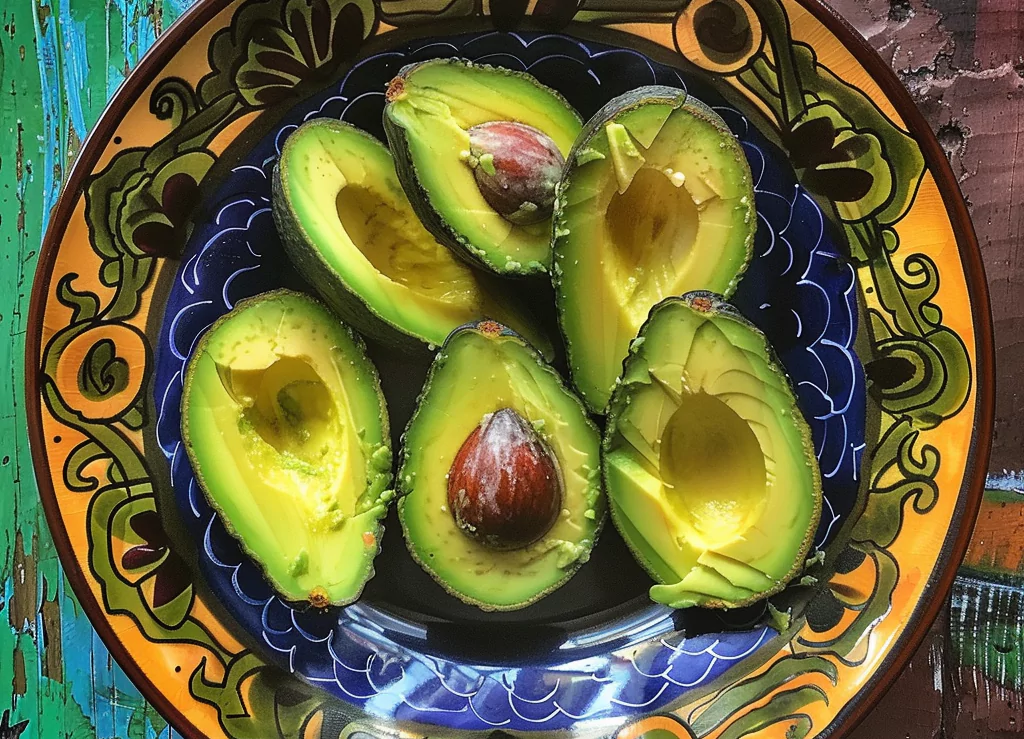
- Avocado is a superfood that contains healthy fats. These fats are essential for the production of hormones such as testosterone and progesterone. In addition, avocados help stabilize blood sugar levels.
- Flax seeds. They contain phytoestrogens that help regulate estrogen levels. This is especially helpful during menopause when estrogen levels drop.
- Oily fish (salmon, mackerel) is a source of omega-3 fatty acids. Omega-3 helps reduce inflammation and keeps your hormonal system healthy.
- Whole-grain foods. Foods like quinoa, brown rice, and oatmeal are rich in fiber, which helps flush out excess hormones from the body, preventing them from building up.
And that's just the beginning! Foods that contain antioxidants, such as berries, green tea and dark chocolate, also help keep your hormonal system healthy by protecting your cells from oxidative stress.
Effect of fat on hormone production
Now let's talk about fats. Yes, yes, the very ones we so often avoid in an attempt to maintain a slim figure. But you know what? Not all fats are unhealthy. In fact, healthy fats are key to proper hormonal function.
Our hormones, especially our sex hormones (estrogen, progesterone and testosterone), are literally created from fat. So if we completely eliminate fat from our diet, we can disrupt this process and create hormonal chaos.
What fats to be friends with:
- Omega-3 fatty acids are simply a mast-head. They are found in fish, nuts and chia seeds. Omega-3's help reduce inflammation and support the brain and hormonal system.
- Monounsaturated fats, which can be found in olive oil, avocados and nuts, support hormone production and help maintain healthy blood sugar levels.
- Saturated fats are important too, but in moderation. Coconut oil, for example, can help keep hormones balanced if used in moderation.
It's important to realize: eliminating fats from your diet is like cutting off the fuel for your hormones. When I started adding more healthy fats to my diet, I noticed how my mood, energy, and skin condition improved. It was like magic, only scientifically proven!
Nutritional supplements to stabilize the hormonal system
Of course, an ideal diet is the key to health, but sometimes our bodies need extra support. Nutritional supplements can help stabilize your hormones, especially when you are dealing with chronic problems or deficiencies of certain substances.

Here are a few supplements that can support your hormonal system:
- Magnesium. This mineral is simply a savior for the nervous system. It helps reduce stress levels, improves sleep, and stabilizes cortisol levels. Many women notice an improvement in PMS symptoms and a decrease in anxiety when they start taking magnesium.
- Vitamin D. If you live in a region with a lack of sunlight, you should definitely look into vitamin D. It is important for the immune system and helps maintain estrogen levels.
- Zinc. This mineral supports immunity, but is also important for the proper production of progesterone and testosterone. A zinc deficiency can lead to hormonal disruptions, so zinc supplements are good for women's health.
- Ashwagandha. This is an adaptogen that helps the body deal with stress. Ashwagandha can help stabilize cortisol levels, improving your well-being during stressful periods.
- Maca. This is a plant that has traditionally been used to improve fertility and support hormonal balance. Maca helps stabilize estrogen and maintain energy levels.
Do not forget that it is important to consult your doctor before starting any supplements. Everyone's body is unique, and what works for one may not work for another. But supplements can be a great support, especially if you feel that your diet is not always having the desired effect.
When I started paying more attention to my nutrition and using the right supplements, my hormones literally said “thank you.” That's not to say that miracles happen instantly, but over time I noticed my well-being stabilizing and my mood and energy swings becoming more predictable. And, you know what, it was worth it!

The immune system: nutrition and defense
When it comes to women's health, the immune system is our first line of defense. We face a multitude of viruses, bacteria, and other invisible “enemies” on a daily basis, and it's comforting to know that our bodies are always ready for battle. Even better, we can maintain and strengthen this protective shield with proper nutrition!
Well, let's break down which foods and substances will help us be invincible and how food affects immunity in the same way that exercise affects our mood in the morning.
Main foods for strengthening immunity
So, if the immune system were a superhero, its “superpower” would depend directly on nutrition. Let's get acquainted with the foods that will provide your body with maximum protection from unpleasant guests like colds and viruses.
Garlic
Yes, yes, this flavorful, slightly spicy product has long earned the title of “natural antibiotic”. Garlic contains a compound called allicin, which helps the body fight infections. When I feel myself starting to get sick, I immediately think of good old garlic. But be prepared that your odor will attract not only bacteria, but also people (if they know the secrets of its benefits too!).
Citrus fruits
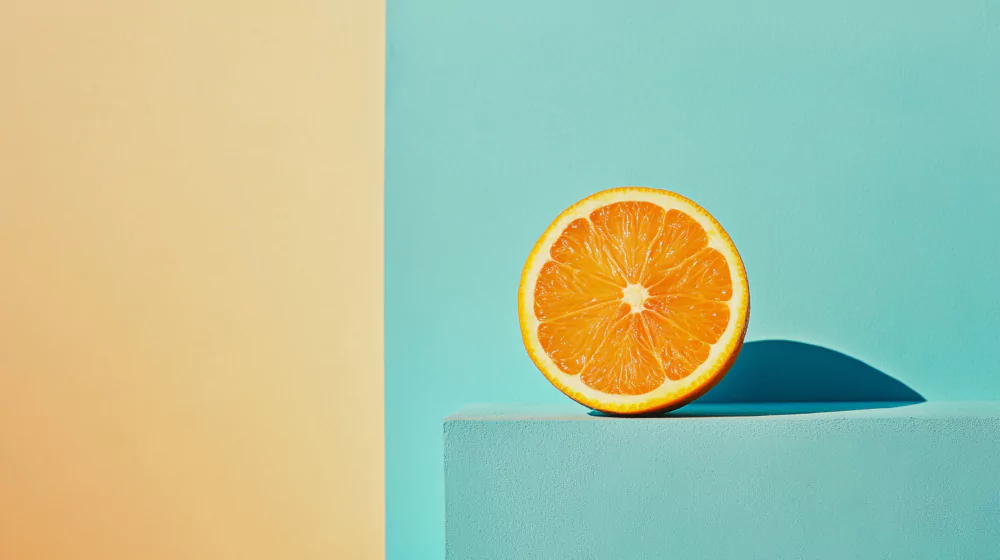
Lemons, oranges, grapefruits - all these brightly colored fruits are not only delicious, but are real “bombs” of vitamin C. It is essential for the production of white blood cells, which are responsible for fighting infections. In addition, vitamin C helps your skin stay healthy and moisturized, which is always nice.
Curcuma
This bright yellow spice has amazing antioxidant and anti-inflammatory properties thanks to curcumin, which helps reduce inflammation in the body. Add it to your morning smoothie or warm milk and your immune system will be at its best.
Ginger
Ginger is not only a spice with a powerful flavor, but also a natural remedy to fight inflammation and viruses. Ginger tea with lemon is my salvation during cold season. If you like spicy flavors, add ginger to soups, smoothies, or even desserts.
Berries
Blueberries, raspberries and other berries are true treasures of nature, full of antioxidants that fight inflammation and support the immune system. Add them to your morning porridge or simply snack on a handful of fresh berries - delicious, healthy and beautiful!
The role of probiotics and prebiotics in supporting the immune system
When I first heard about probiotics and prebiotics, they sounded like something from the world of space technology. But in fact, they are common but important “friends” of our intestines. And a healthy gut is the foundation of a strong immune system, because up to 70% of immune cells are located there
Probiotics are live bacteria that are beneficial for our intestines. They maintain the balance of the microflora and help the body to fight infections effectively.
Where to find them. Here are some tasty sources:
- Kefir and yogurt. These foods are high in live cultures that help maintain a balance of beneficial bacteria in the gut.
- Sauerkraut and kimchi. Fermented vegetables are simply a treasure trove of probiotics. Plus, they're delicious and can be a great addition to any meal.
- Tempeh. If you haven't tried this soy-based treat, now is the time. Tempeh is a great alternative to meat for vegetarians and vegans, while also being very good for the gut.
Prebiotics, in turn, are “food” for probiotics. They are non-digestible dietary fibers that serve as food for beneficial bacteria.
Prebiotics are found in foods such as:
- Bananas. Not only are they a convenient snack, but they are also rich in prebiotic fiber.
- Oats. Useful both for your morning breakfast and for maintaining a healthy microflora.
- Garlic and onions. In addition to their antibacterial properties, they are excellent sources of prebiotics.
How to fight off viruses and infections through nutrition
When I first thought about food being my weapon against disease, it seemed like something magical. But in fact, proper nutrition really does help the body resist viruses and infections.
Protein for immune support
Protein is the building material for our body. It is essential for the production of antibodies that attack viruses and bacteria. So it's important to include protein sources like fish, chicken, eggs, legumes and nuts in your diet.
Zinc to fight infections
This trace mineral plays an important role in maintaining the immune system. Zinc helps the body produce and activate T-cells that fight infections. Seafood (especially oysters!), pumpkin seeds and nuts are great sources of zinc.
Drink more water
Yes, yes, sometimes the simplest advice is the most important. Water helps the body flush out toxins, keeps mucous membranes moisturized and promotes blood circulation, which helps immune cells get to where they're needed faster.
Immune-boosting vitamins and minerals
Our moms always told us, “Don't forget your vitamins!” And you know what? They were right! Certain vitamins and minerals play a key role in supporting the immune system, helping it stay in shape and resist environmental challenges.
- Vitamin C. This famous “defender” helps the body produce white blood cells that fight infections. Lemons, oranges, and bell peppers are all great sources of vitamin C.
- Vitamin D. It's also called the “sunshine vitamin” because our bodies make it when exposed to sunlight. But if sunshine is scarce, include fish, eggs, and fortified foods in your diet. Vitamin D helps regulate immune responses and protects against respiratory infections.
- Vitamin A. It keeps our skin and mucous membranes healthy - our body's first line of defense. Carrots, sweet potatoes, and pumpkin all contain vitamin A.
- Zinc. As we've already mentioned, zinc helps the immune system fight viruses. Don't forget to include nuts, seeds and seafood in your menu.
- Selenium. This mineral is involved in protecting cells from oxidative stress and supports the immune system. Selenium is found in nuts (especially Brazil nuts), fish and eggs.

Thus, proper nutrition is your secret superhero arsenal for immunity support. A balanced diet with enough vitamins, minerals and beneficial bacteria will help you stay in peak shape and resist any viruses.

How to eat for healthy skin
When we talk about skin, we often think first of creams, masks and other cosmetics. But really, the skin is a mirror of what's going on inside our body. And no matter what we do on the outside, nutrition plays a key role in how we look and feel. The right diet can make our skin glow, reduce the signs of aging, and manage acne and inflammation. Basically, it's like a secret beauty weapon that's always with us - we just have to know which foods to use.
Nutrition and the skin aging process
Unfortunately, we can't stop time, but we can slow down its effects on our skin with nutrition. Once I started paying attention to what I was eating, I noticed that my skin reacted almost instantly. After all, the aging process of our skin begins long before we see it on the surface. As we age, our skin loses elasticity and moisture, and this leads to wrinkles, dryness, and other signs of aging. However, nutrition can help keep your skin youthful and slow these processes.
- Water is the basis of everything. The body needs water to keep the skin moisturized and supple. Lack of water leads to dry, flabby and dull skin tone. So remember to drink enough water every day.
- Protein is your building material. The skin is made up of proteins like collagen and elastin that keep it firm. If your diet is poor in protein, your skin can lose tone and elasticity faster.
- Healthy fats are your best friend. Omega-3 fatty acids, which are found in oily fish and nuts, help maintain cell membranes, retaining moisture and making skin softer and more moisturized.
The earlier you start taking care of your skin through nutrition, the longer it will stay radiant and youthful. A great place to start is to include foods rich in antioxidants in your diet, which help fight the effects of free radicals.
Antioxidants in foods: protection against aging
Free radicals are the real enemies of our skin. They attack cells, causing inflammation and damage, leading to premature aging. That's why antioxidants are our staunch defenders. They neutralize free radicals and help prevent skin cell damage.

Here are some powerful antioxidants and foods that contain them:
- Vitamin C is a real hero in the fight against aging. It stimulates collagen production, keeps skin firm and protects it from environmental damage. This vitamin can be found in citrus fruits, berries, kiwi and bell peppers.
- Vitamin E is a natural moisturizer that helps retain moisture in the skin. Nuts, seeds and green leafy vegetables are great sources of this antioxidant.
- Carotenoids, pigments found in carrots, sweet potatoes and spinach, help protect the skin from UV radiation and prevent sun damage.
- Flavonoids are substances found in cocoa and dark chocolate. They help improve blood circulation, making your skin more radiant and healthy.
Antioxidants help your skin stay younger longer and protected from environmental damage. Add them to your menu and your skin will thank you for it.
Foods that prevent acne and inflammation
Acne and inflamed skin can be a real headache, especially if they show up at the worst possible time. But did you know that many skin problems are related to what we eat? I've noticed that once I remove certain foods from my diet, my skin becomes clearer. Conversely, certain foods can help prevent acne and inflammation.
Here's what's worth including in your diet:
- Whole grains and foods with a low glycemic index. Studies show that foods high in sugar can cause a spike in insulin, which can lead to inflammation and acne. Replacing white bread and sweets with whole grains (oats, quinoa, buckwheat) can help lower blood sugar levels and reduce inflammation.
- Green vegetables. Spinach, broccoli, and other leafy vegetables contain a variety of vitamins and minerals that help clear skin and prevent inflammation.
- Omega-3-rich fish. Salmon, mackerel and tuna contain healthy fatty acids that help reduce inflammation and prevent acne.
- Nuts and seeds. Many nuts, such as almonds and walnuts, are rich in zinc and vitamin E, which help heal the skin and keep it healthy.
Avoid foods high in trans fats and sugars, such as fast food and sweets. These can increase inflammation and trigger acne. By the way, dairy products can also cause inflammation in some people, so if you notice that your skin gets worse after eating them, it's worth trying to reduce their consumption.
The role of collagen and how to maintain it through nutrition
When it comes to youthful skin, collagen is the number one word. This protein is responsible for the firmness and elasticity of the skin. As we age, its production decreases, leading to wrinkles and loss of tone. But don't worry, we can maintain collagen levels through nutrition!
Here's what will help maintain and increase collagen levels:
- Foods rich in vitamin C. As we have already mentioned, vitamin C is the main stimulator of collagen production. Add citrus fruits, berries and bell peppers to your diet regularly.
- Bone broths. This traditional product has become popular again, and for good reason. Bone broth is rich in collagen and amino acids that support healthy skin.
- Gelatin. If you are not comfortable with bone broth, you can add products with gelatin to your diet, because it is made up of collagen. Add it to soups, desserts or make homemade jellies.
- Protein. Eggs, chicken, fish and legumes are all sources of protein that are essential for collagen production. Including enough protein in your diet will help your skin stay firm and supple.
Collagen supplements have also become very popular. Although the evidence base regarding their effectiveness is still limited, many women have reported improvements in their skin when taking them. In any case, it is best to focus on natural sources of nutrients that will help stimulate the body's own collagen production.
Thus, nutrition plays a key role in skin health and beauty. A balanced diet rich in antioxidants, healthy fats and proteins will help you keep your skin young and radiant, prevent acne and inflammation, and support collagen production.

Nutrition and hair health
Healthy and beautiful hair is a dream for many people, but on the way to perfect hair we may encounter various problems: dryness, breakage, and hair loss. While care with shampoos and masks is certainly important, the foundation of healthy hair starts from within - with what we eat. Proper nutrition plays a key role in supporting healthy hair, as hair needs certain vitamins, minerals and nutrients for normal growth and repair.
Let's take a look at what vitamins and foods will help your hair stay healthy and shiny, and how to deal with a problem like hair loss through nutrition.
What vitamins are important for healthy hair
Your hair, like the rest of your body, needs a variety of vitamins to maintain its health and growth. Some vitamins are particularly important because they help strengthen hair follicles, prevent breakage and accelerate hair growth.
- Vitamin A
This vitamin supports the production of sebum, which moisturizes the scalp and helps prevent dry hair. But be careful: an excess of vitamin A can, on the contrary, provoke hair loss, so it is important to keep a balance. Vitamin A can be found in carrots, sweet potatoes, pumpkin and spinach. - Vitamin E
As a natural antioxidant, vitamin E helps protect the hair and scalp from free radical damage. It also improves blood circulation, which helps deliver essential nutrients to the hair follicles. Nuts, seeds, and green leafy vegetables are great sources of vitamin E. - Vitamin C
This vitamin is essential for the synthesis of collagen, which is the main building block of hair. It also helps the body absorb iron, which is important for hair growth. Vitamin C is found in citrus fruits, kiwi, strawberries and broccoli. - Biotin (vitamin B7)
Biotin is probably one of the best known vitamins for hair. It helps strengthen hair, prevents breakage and stimulates hair growth. Biotin can be found in eggs, almonds, avocados and salmon. - B vitamins
These vitamins help improve blood circulation to the scalp, which helps in better nourishing the hair follicles. B vitamins can be obtained from foods such as whole grains, legumes, meat and eggs.
Products that stimulate hair growth
Hair growth is a process that requires both external and internal support. Some of the best helpers in this endeavor are certain products that contain vitamins, minerals and proteins that are essential for activating hair growth and hair regrowth.
- Eggs
They are rich in protein and biotin, two key elements for hair growth. Protein is essential for the formation of hair structure and biotin stimulates the production of keratin, the main protein of hair. - Salmon and oily fish
The omega-3 fatty acids found in salmon, mackerel and other oily fish help moisturize the scalp and prevent dry and brittle hair. They also help improve blood circulation and nourish hair follicles. - Nuts and seeds
Walnuts, almonds and flax seeds contain vitamin E, zinc and omega-3 which promote scalp health and stimulate hair growth. - Spinach and green vegetables
Spinach is rich in iron and vitamins A and C, which help maintain a healthy scalp and strengthen hair. Iron helps scalp cells get oxygen, which is important for hair growth. - Avocado
Avocados contain healthy fats and vitamin E that nourish the hair and scalp, prevent dryness and help strengthen hair roots. - Quinoa
This pseudo-food contains protein, iron and zinc, which are essential for healthy hair growth and strengthening.
The problem of hair loss and the role of nutrition
Hair loss is one of the most common problems faced by many women and men. There can be many reasons for hair loss: stress, hormonal imbalance, age-related changes, heredity and, of course, nutrition. When the body lacks essential nutrients, hair can weaken and begin to fall out.
Here are a few key points about how nutrition can help with this problem:
- Iron deficiency
One of the most common causes of hair loss is iron deficiency. Iron is needed to transport oxygen to cells, including hair follicles. When the body lacks iron, hair begins to fall out because the follicles are not getting the necessary nutrients. Include foods like red meat, spinach, legumes and quinoa in your diet to replenish iron levels. - Zinc for repair
Zinc is important for repairing hair and scalp tissues, as well as maintaining sebum. A zinc deficiency can cause hair loss. Foods rich in zinc include nuts, pumpkin seeds, chickpeas and oysters. - Protein is the building material
Hair is made up of 90% protein, and if your diet doesn't contain enough protein, your hair can start to weaken and fall out. Include eggs, chicken, fish, legumes and nuts in your menu to provide your body with the right amount of protein. - Omega-3 for hydration
A lack of omega-3 fatty acids can lead to dry scalp and hair, which can contribute to hair loss. To avoid this, include oily fish, nuts and flax seeds in your diet. - B vitamins
As we mentioned earlier, B vitamins are important for hair growth. Deficiency of these vitamins can lead to slow growth and hair loss. Foods rich in B vitamins include eggs, meat, whole grains and leafy vegetables.
Nutrition plays a huge role in the health of your hair. The right vitamins and foods can not only stimulate hair growth, but also prevent hair loss, strengthen the structure and add shine. By incorporating healthy and nutritious foods into your diet, you can help your hair stay strong, thick and beautiful!

How to keep your activity level high
We all know how important it is to feel energetic and alert throughout the day. Whether it's working, taking care of the family, or playing sports, a high energy level helps us to cope with all tasks. However, we often find that our energy levels plummet in the middle of the day and all we want to do is lie down for a couple of hours. But how do we keep our activity levels high throughout the day? Proper nutrition can help us do just that!
Let's talk about foods that energize you for a long time, as well as how carbs and protein affect our stamina and how to avoid those nasty energy slumps.
Products for long-term energy
In order to feel alert and full of energy, it is important to choose foods that give the body stable energy for a long time, rather than causing a sugar spike followed by a slump.
Here are a few foods that will provide you with long-term energy:
- Oatmeal
Oatmeal is a true champion in providing long-lasting energy. It contains slow carbohydrates that are digested gradually, keeping blood sugar levels stable. Add fruit and nuts to oatmeal for an even greater energy boost. - Quinoa
This pseudo-grain is rich in protein, fiber, and carbohydrates, making it a great choice for maintaining energy. Quinoa also contains all nine essential amino acids, making it a complete source of protein, especially important for vegetarians and vegans. - Bananas
Bananas are a quick and tasty source of energy thanks to their carbohydrate, vitamin and potassium content. Potassium helps the body maintain normal fluid and electrolyte levels, which is important for keeping active and preventing fatigue. - Nuts and seeds
Nuts, such as almonds and walnuts, contain healthy fats and proteins that provide long-lasting energy. They are rich in magnesium, which helps convert food into energy. Chia seeds and flax seeds also contain fiber and omega-3 fatty acids that help maintain stamina. - Apples
Apples are rich in fiber and natural sugars, making them an ideal choice for a quick but not drastic boost in energy levels. Fiber helps slow the digestion of sugars, which gives you a longer-lasting feeling of alertness.
Effect of carbohydrates and proteins on energy levels
When it comes to maintaining energy, carbohydrates and proteins play important roles. Understanding their effects on your body will help you make the right food choices to keep your activity levels high.
Carbohydrates are the body's main source of energy. They are quickly converted into glucose, which fuels the brain, muscles and other organs. However, not all carbohydrates are equally beneficial. Foods with a high glycemic index, such as white bread, sweets and carbonated drinks, cause blood sugar levels to spike, leading to a quick energy high and then an equally sharp drop. For long-term energy, it's better to choose slow carbohydrates, which digest gradually and keep blood sugar levels stable. Such carbohydrates include whole-grain foods such as oatmeal, brown rice, quinoa and legumes.
Protein is important for maintaining endurance and muscle recovery. They are digested more slowly than carbohydrates, which helps to maintain satiety and energy for a longer period of time. Protein is especially important for those who play sports or lead active lifestyles, as it helps muscles recover from exertion. Great sources of protein include eggs, chicken, fish, legumes and nuts.
Combining carbohydrates and protein in one meal is an ideal way to keep you energized. For example, a bowl of oatmeal with nuts or quinoa with chicken will give you long-term energy and help you avoid blood sugar spikes.

How to avoid energy slumps throughout the day
We've all experienced the unpleasant phenomenon of energy slumps, especially in the middle of the day when our energy levels drop and all we want to do is nap. But with the right approach to nutrition, you can avoid these slumps and maintain a high level of activity throughout the day.
Here are some tips on how to accomplish this:
- Don't skip breakfast
Breakfast is the foundation of your energy day. Eating the right breakfast helps maintain blood sugar levels and prevents blood sugar spikes throughout the day. Choose whole grain products, eggs, nuts and fruits to give your body the energy it needs for the morning. - Eat small portions but often
Instead of three large meals, it is better to break your meals into 4-5 small snacks throughout the day. This will help keep blood sugar levels stable and prevent energy spikes and dips. Maintain a balance of carbohydrates, proteins and fats at each meal. - Avoid excessive sugar and caffeine intake
Sweets and coffee can give you a brief burst of energy, but then a slump always follows. Instead, it's better to opt for slower sources of energy, such as whole grains and nuts. And if you do need coffee, try not to overuse it and combine it with a full meal. - Drink enough water
Dehydration is one of the main causes of fatigue. Even a small loss of fluids can cause energy loss and headaches. Drink water regularly throughout the day, even if you don't feel thirsty, and avoid excessive consumption of sugary drinks. - Add iron to your diet
Iron deficiency can cause fatigue and energy loss. If you often feel tired, your body may be lacking iron. Include meat, green leafy vegetables, legumes and seeds in your diet.
Energy and stamina are not only the result of a good night's sleep and physical activity, but also of a well-chosen diet. Use the above tips to maintain a stable energy level throughout the day, avoid sudden drops and feel alert and active regardless of the amount of tasks!

Our health and mood
Does what we eat affect our psychological well-being? Absolutely! Nutrition plays a key role in maintaining our mental health and mood. Our brain and nervous system depend on the nutrients we get from food, and making the right food choices can help us manage anxiety, improve our mood and even reduce our risk of depression. Let's take a look at how nutrition can support our psychological health and help us cope with stress and emotional overload.
How to increase seratonin levels
Serotonin is a chemical often referred to as the “happy hormone”. It plays an important role in regulating mood, sleep and appetite. Interesting fact: up to 90% of serotonin is not produced in the brain, but in the gut! And this explains why nutrition has such a strong influence on our mood.

In order to maintain high levels of serotonin, our body needs to receive the amino acid tryptophan. It is the “building material” for the production of serotonin. Foods rich in tryptophan help to maintain a positive mood and calmness.
Here are a few foods that promote serotonin production:
- Turkey and chicken. These protein foods are excellent sources of tryptophan. Turkey is especially rich in this amino acid, making it a great choice for maintaining a good mood.
- Bananas. In addition to being rich in potassium, bananas contain tryptophan, which helps boost serotonin levels.
- Salmon. This type of fish is rich in omega-3 fatty acids, which also help improve mood and support brain function.
- Nuts and seeds. Almonds, walnuts, pumpkin seeds and sunflower seeds not only contain tryptophan but also magnesium, which helps reduce anxiety.
By adding these foods to your diet, you can improve your mood and keep it stable.
Foods that reduce anxiety and stress
Stress is an inevitable part of life, but what we eat can either increase our stress or help us cope with it. There are foods that contain vitamins and minerals that can help reduce anxiety and support the nervous system.
Here's what might help:
- Dark chocolate. There's a reason we reach for chocolate in times of stress! Dark chocolate contains flavonoids, which help reduce stress levels and improve blood flow to the brain. Plus, it stimulates the production of endorphins - the happy hormones.
- Avocado. Avocados are rich in B vitamins, which play an important role in maintaining a healthy nervous system. A deficiency of these vitamins can lead to increased anxiety.
- Green vegetables. Spinach and broccoli contain magnesium, a mineral that helps you relax and reduces anxiety levels. Magnesium is involved in regulating nerve signals, so a deficiency can increase stress.
- Oatmeal. Oatmeal is rich in complex carbohydrates that help stabilize blood sugar levels, which is important for keeping calm and reducing sudden mood swings.
Diet to support brain function
The brain is the “hungriest” organ in our body. Although it makes up only 2% of our body weight, the brain consumes up to 20% of all energy from food. In order to maintain mental alertness, concentration and memory, our brains need certain nutrients.
Here are a few foods that will keep your brain working:
- Fatty fish. Salmon, mackerel and sardines are rich in omega-3 fatty acids, which are essential for healthy brain cell membranes. These fats help improve cognitive function and protect the brain from aging.
- Nuts. Walnuts and almonds are sources of vitamin E, which helps protect the brain from oxidative stress and supports memory.
- Berries. Blueberries, raspberries and other berries contain antioxidants that protect brain cells from damage and help improve cognitive function.
- Eggs. Eggs are rich in choline, which is essential for the production of acetylcholine, a neurotransmitter responsible for memory and learning.
- Whole grains. Foods like quinoa, oatmeal and whole-grain bread provide the brain with slow carbohydrates that keep glucose levels stable, which are essential for concentration and thinking.
Regular consumption of these foods will help maintain mental clarity, concentration and improve memory.
How nutrition can help with depression
Depression is a complex condition that requires a comprehensive treatment approach that includes psychological support, therapy and, in some cases, medication. However, a growing body of research confirms that nutrition also plays an important role in reducing symptoms of depression and improving overall emotional well-being.
Here are a few key nutrients and foods that can help with depression:
- Omega-3 fatty acids. Studies show that omega-3 deficiencies may be linked to an increased risk of depression. These healthy fats support brain health and help regulate neurotransmitters responsible for mood. Fish such as salmon and mackerel, nuts and flax seeds are excellent sources of omega-3.
- Folic acid (vitamin B9). Low levels of folic acid may be linked to depression. This vitamin is involved in the production of serotonin and dopamine, neurotransmitters that affect mood. Folic acid is found in leafy green vegetables, legumes and citrus fruits.
- Vitamin D. Lack of sunlight can lead to a decrease in vitamin D levels, which has been linked to increased cases of depression, especially during the winter. Include vitamin D-rich foods in your diet, such as fish and eggs, and try to spend more time in the sun.
- Probiotics. Since serotonin is produced in the gut, maintaining healthy microflora can also help improve emotional well-being. Probiotics are found in yogurt, kefir, sauerkraut and other fermented foods.
And, of course, it's important to avoid foods that can make depression worse, such as sugar, processed foods and alcohol. These can cause blood sugar spikes and increase feelings of anxiety and fatigue.
Thus, nutrition does play an important role in supporting psychological health and mood. By choosing the right foods, you can help yourself cope with stress, anxiety and even depression by supporting brain function and serotonin levels.
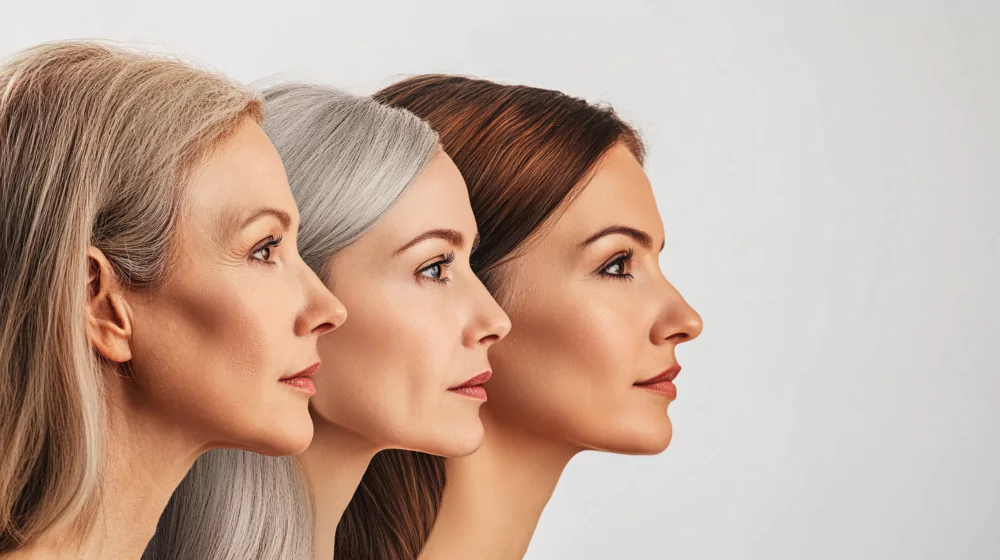
Nutrition for women of different ages
Nutrition is not a universal process that is the same for everyone and does not change with age. In fact, our nutrient needs change at every stage of life. What was healthy and sufficient during adolescence may not be appropriate for women in their 30s, much less those going through menopause. To stay healthy and energized at every stage of life, it is important to tailor your nutrition to your body's specific needs.
What teens need for growth and energy
Adolescence is a period of active growth and development, when the body and brain are changing rapidly. During this period, it is especially important to maintain proper nutrition to ensure that the body has all the vitamins and minerals it needs for growth, bone health and reproductive health.
- Calcium and vitamin D
Teenagers' bones are actively growing and require a lot of calcium to stay strong. Lack of calcium at this age can increase the risk of osteoporosis in the future. Vitamin D helps absorb calcium, so it's important to get it both from food and through sunlight. It is recommended that teenagers include dairy products, green leafy vegetables, eggs and vitamin D fortified foods in their diet. - Protein for muscle growth and development
Protein is the building material for muscles and tissues. During adolescence, the need for protein increases, especially if the teenager plays sports or leads an active lifestyle. Include eggs, meat, fish, legumes and nuts in the diet. - Iron for energy
Teenage girls have an increased need for iron due to the onset of menstruation. Iron deficiency can lead to anemia, which causes fatigue and weakness. Excellent sources of iron are red meat, spinach, legumes and fortified cereals. - Omega-3 for brain function
Teen brains are actively developing, and omega-3 fatty acids play an important role in supporting cognitive function and concentration. Fish, nuts and flax seeds are great sources of these healthy fats.
Nutrition for women in their 20s and 30s
Women in their 20s and 30s are at their peak physical activity, and to maintain health at this stage, it's important to focus on foods that will help keep you energized, support fertility, and keep your skin healthy.
- Folic acid for reproductive health
This vitamin B9 is especially important for women who are planning a pregnancy or are already pregnant. Folic acid helps prevent neural tube malformations in the fetus and supports overall health. Include green leafy vegetables, citrus fruits, legumes and fortified cereals in your diet. - Antioxidants for healthy skin
Skin at this age can be stressed due to an active lifestyle, sun and pollution. Antioxidants such as vitamin C and vitamin E help fight skin damage and prevent premature aging. Berries, citrus fruits, nuts and green vegetables are your best helpers. - Protein and healthy fats
To maintain muscle mass and energy, it's important to include enough protein in your diet. Eggs, chicken, fish, legumes and nuts can help you stay in shape. Healthy fats such as omega-3's support brain function, cardiovascular function and improve skin health. - Iron for women in their reproductive years
Iron remains an important mineral for women at this age, especially if you have heavy periods. Include iron-rich foods such as meat, legumes, quinoa and spinach in your diet.
Healthy nutrition for women 40+
When women reach their 40s, their bodies begin to undergo changes that require nutritional adaptations. This age is associated with metabolic changes, hormonal fluctuations and the need to maintain bone and heart health.
- Calcium and vitamin D for bones
After the age of 40, decreasing estrogen levels can lead to a loss of bone density, which increases the risk of osteoporosis. Therefore, it is especially important to consume adequate amounts of calcium and vitamin D. Include dairy products, green vegetables, tofu and foods fortified with vitamin D in your diet. - Omega-3 for the heart
The risk of cardiovascular disease increases after age 40, and omega-3 fatty acids help keep your heart healthy by reducing cholesterol and inflammation. Include fatty fish such as salmon and mackerel in your diet, as well as nuts and seeds. - Fiber for digestive health
Your metabolism can start to slow down and your digestive system can start to work slower. Fiber can help maintain digestive health, prevent constipation, and control blood sugar levels. Whole grain products, legumes, vegetables and fruits should be the foundation of your diet. - Protein to maintain muscle mass
As you age, your muscles begin to lose tone and this can lead to a decrease in strength and endurance. It is important to include quality protein in your diet to help maintain muscle mass. Fish, chicken, legumes and eggs are great sources.
Menopause and how nutrition can help
Menopause is a natural process that occurs in women around the age of 50 and is associated with a dramatic decrease in estrogen levels. These hormonal changes can lead to hot flashes, mood changes, weight gain and an increased risk of osteoporosis and cardiovascular disease. Nutrition during this period plays an important role in maintaining health and reducing the symptoms of menopause.
- Phytoestrogens for hormonal balance
Phytoestrogens are natural compounds that can mimic the effects of estrogen in the body. They are found in soy products such as tofu, soy milk and edamame, as well as flaxseeds. Including these foods in your diet can help reduce menopause symptoms such as hot flashes and mood changes. - Calcium and vitamin D for bones
After menopause, estrogen levels decrease, which can accelerate the loss of bone mass. Include dairy products, green vegetables and vitamin D-rich foods in your diet to keep your bones healthy. - Omega-3 for heart and brain health
The risk of cardiovascular disease and cognitive impairment increases after menopause. Omega-3 fatty acids help maintain heart health and improve cognitive function. Include oily fish, nuts and seeds in your diet. - Magnesium to reduce stress and improve sleep
Magnesium helps relax muscles, improve sleep and reduce stress levels. A magnesium deficiency can exacerbate the insomnia and anxiety that often accompanies menopause. Include green leafy vegetables, nuts and legumes in your diet.

Every stage of a woman's life requires special attention to nutrition. Maintaining a balanced diet rich in essential vitamins and minerals will help to keep you healthy, energized and in good spirits throughout your life.

Reproductive health and fertility
Reproductive health is an important aspect of women's health that can be significantly supported by proper nutrition. What we eat affects our hormones, egg health, and even our chances of conception. Nutrition can't fix all fertility issues, but it can have a big impact on improving it and maintaining a healthy reproductive system. Let's take a look at how nutrition affects fertility, what foods are especially beneficial for reproductive health, and the role vitamins and minerals play in supporting reproductive health.
How nutrition affects fertility
Fertility is a complex process that is affected by many factors, including age, hormones, stress, and even lifestyle. However, nutrition is one of the most important and controllable factors that can help improve the chances of conception.
Our hormones and reproductive organs require certain nutrients to function properly. For example, certain foods help maintain normal levels of hormones such as estrogen and progesterone, which are necessary for ovulation and implantation. Improper nutrition or diets poor in vitamins and minerals can lead to hormonal imbalances and reduce fertility.
An unhealthy diet can also affect metabolism and blood sugar levels, which is especially important for women with polycystic ovarian syndrome (PCOS), which is one of the leading causes of infertility. Foods high in sugar and carbohydrates can lead to spikes in insulin, which negatively affects fertility.
In addition, research shows that obesity or being underweight can negatively affect fertility by being associated with hormonal changes and menstrual irregularities. Maintaining a healthy weight through a balanced diet is an important step toward improving fertility.
Products to support reproductive health
Proper nutrition can help not only in maintaining hormonal balance, but also in improving egg quality and preparing the body for conception and pregnancy. Here are a few foods that are particularly beneficial for the reproductive system:
- Leafy green vegetables
Spinach, kale and broccoli are rich in folic acid, which is vital for egg health and preventing neural tube defects in the fetus. Folic acid also helps maintain normal hormone levels, which is important for ovulation. - Fatty fish
Salmon, mackerel, and sardines are excellent sources of omega-3 fatty acids, which support healthy cell membranes, promote normal blood flow, and help reduce inflammation. Omega-3's are important for preparing the body for pregnancy and maintaining a healthy reproductive system. - Nuts and seeds
Almonds, walnuts, flax seeds and pumpkin seeds are rich in vitamin E and zinc, which play a key role in supporting reproductive health. Vitamin E improves egg quality, while zinc is important for proper hormone production and maintaining immune function. - Whole Grain Products
Quinoa, oats and brown rice contain complex carbohydrates that help maintain stable blood sugar levels, especially important for women with CKD. Whole grains are also rich in fiber, which helps flush excess hormones out of the body. - Eggs
Eggs are a great source of protein and choline, which is essential for the future baby's brain development. Eggs also contain vitamin D, which plays an important role in regulating the menstrual cycle and supporting reproductive health. - Legumes
Beans, chickpeas and lentils are rich in iron and folic acid, making them an important dietary element for women planning a pregnancy. Iron is essential for maintaining normal hemoglobin levels and preventing anemia, which can negatively affect fertility.
Effect of vitamins and minerals on reproduction
Vitamins and minerals play a key role in maintaining fertility. Deficiencies in certain nutrients can disrupt hormonal balance, reduce the chances of conception, and even affect fetal development. Here are a few vitamins and minerals that are especially important for maintaining a healthy reproductive system:
- Folic acid (vitamin B9)
Folic acid is one of the most important vitamins for women planning a pregnancy. It helps prevent neural tube defects in the fetus and supports healthy eggs. It is recommended to take folic acid supplements several months before a planned pregnancy and to include green vegetables, legumes, and citrus fruits in your diet. - Vitamin D
Vitamin D maintains normal hormone levels and helps improve fertility. Vitamin D deficiency can lead to menstrual irregularities and reduce the chances of conception. It can be obtained through sunbathing and from foods such as oily fish, eggs and fortified dairy products. - Iron
Iron is important for maintaining normal hemoglobin levels and preventing anemia. Iron deficiency can lead to ovulation disorders and reduced chances of conception. Include red meat, legumes, spinach and fortified cereals in your diet. - Zinc
Zinc is essential for the production of hormones such as progesterone, which play a key role in supporting reproductive health. Zinc deficiency can affect egg quality and reduce fertility. Nuts, seeds, meats and seafood are excellent sources of zinc. - Omega-3 fatty acids
Omega-3's help maintain healthy cells and reduce inflammation in the body, which is important for successful conception. Oily fish, flaxseed oil and chia seeds are the main sources of these healthy fats. - Vitamin E
This antioxidant protects egg cells from damage and improves their quality. It also contributes to the normal functioning of the reproductive system. Vitamin E can be found in nuts, seeds and vegetable oils.
Thus, proper nutrition can have a huge impact on reproductive health and fertility. Including foods rich in important vitamins and minerals in your diet can help maintain a healthy reproductive system, improve egg quality and prepare your body for conception and pregnancy.
The Path to Health through Conscious Eating
Our health is the result of many factors, and nutrition plays a major role in this process. What we choose to eat for breakfast, lunch and dinner each day shapes how we feel, how we look and even how we feel emotionally. Conscious eating is not just about calorie counts or fancy diets, it's about taking care of yourself at the deepest level, understanding your body and its needs.
Each of us is unique, and that's why it's important to find what works for you. Be attentive to your body's signals, listen to it, and with each step you will get closer to harmony with your body.
After all, I write for everyone without shyness, because health care should be accessible and understandable to everyone! I hope this article has helped you better understand how nutrition can affect your health. And that's just the beginning - you'll find even more helpful articles on our site to help you stay healthy and happy. Be sure to stop by and read the other articles, because knowledge is the key to a long and active life!
Your health is in your hands, and proper nutrition is one of the most powerful tools on the road to well-being!